A Complete Guide to Meal Prepping for Large Families
Feeding a large family can feel like a part-time job, especially when everyone has different tastes and schedules. Meal prepping can be your secret weapon. By planning and preparing meals ahead of time, you can save hours each week and reduce stress. Let’s break down how you can master meal prepping for your bustling household.
Understanding the Basics of Meal Prepping
Meal prepping involves cooking meals in advance and storing them for later use. For a large family, this means making sure you have enough food to go around and that it stays fresh and tasty. The trick is to balance variety and quantity while keeping it manageable.
- Assess Your Weekly Schedule: Take note of everyone’s activities, from soccer practice to late-night study sessions. This helps in planning meals that can be quickly heated or eaten on the go.
- Plan Your Menu: Choose dishes that share common ingredients to cut down on prep time. Think casseroles, soups, and stir-fries.
- Invest in Storage Solutions: Sturdy glass containers with airtight lids are great for storing food safely. Label each container with the date and contents.
Shopping Smart: Where to Find the Best Deals
When you’re feeding a crowd, every penny counts. Bulk shopping is your best friend. Stores like Costco and Sam’s Club in the U.S. offer bulk purchasing options that can significantly cut costs. Look for deals on staples like grains, pasta, and canned goods. Remember, fresh produce can often be more affordable at local farmer’s markets.
Consider this: purchasing a 10-pound bag of rice might seem excessive, but for a large family, it ensures you have a versatile base for many meals. Similarly, buying a whole chicken or a large beef roast can be more cost-effective than smaller portions, allowing you to create multiple meals from one purchase.
The Art of Cooking in Batches
Cooking in bulk might sound daunting, but it becomes second nature with a bit of practice. Designate one or two days each week for meal prep. Sundays and Wednesdays are popular choices; this ensures your meals remain fresh throughout the week.
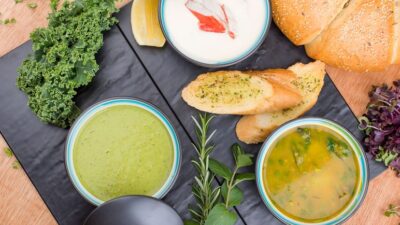
- Utilize Big Pot Cooking: Large pots and slow cookers are perfect for making soups, stews, and chili. These dishes are filling, nutritious, and easy to store.
- Master the Sheet Pan: Roasting vegetables and proteins like chicken or fish on a sheet pan is a time-saver. It’s a one-and-done method that provides a balanced meal with minimal cleanup.
- Embrace the Freezer: Double your recipes and freeze half. Lasagna, casseroles, and even breakfast burritos freeze well and can be easily reheated.
Balancing Nutrition and Taste
Keeping meals healthy and delicious is crucial, especially for growing kids who might be picky eaters. Incorporate a variety of colors and textures to make meals more appealing.
- Include All Food Groups: A healthy meal should contain a balance of proteins, carbohydrates, and fats. Include plenty of vegetables and fruits in every meal.
- Get the Kids Involved: Let your children help with simple tasks like washing vegetables or stirring sauces. They’re more likely to eat what they’ve helped to prepare.
- Experiment with Flavors: Use herbs and spices to enhance flavors without adding extra calories. A sprinkle of cumin or a dash of paprika can transform a dish.
Keeping Meals Fresh and Exciting
Variety is the spice of life—and of meal prepping. Rotate your menu every couple of weeks to keep everyone excited about mealtime. If your family loves tacos, for instance, try different fillings like shredded chicken, sautéed mushrooms, or black beans.
Theme nights can also be a fun way to mix things up. How about Italian night with homemade pizza and pasta, or a stir-fry night with a build-your-own bowl station? Keeping meals fun and interactive can make a huge difference in how they’re received.
Practical Takeaway: Start Small, Think Big
Meal prepping is a marathon, not a sprint. Start with a few meals a week and gradually increase as you get more comfortable. Soon, you’ll find your rhythm, and your family will enjoy the benefits of nutritious, home-cooked meals without the daily hassle.
As your confidence grows, experiment with new recipes and techniques. Before you know it, you’ll have a repertoire of family favorites that make mealtime a joy instead of a chore. Happy cooking!