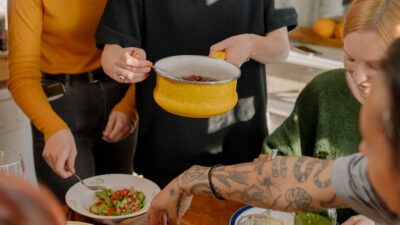
Rediscovering Family Heritage Through Recipes
In 2026, there’s a growing trend of families diving into their ancestral roots, exploring and celebrating heritage through the recipes passed down from generation to generation. With the world becoming more interconnected yet individual identities often feeling lost, cooking offers a tangible way to connect with the past.
Imagine waking up on a Sunday morning to the rich aroma of your grandmother’s special stew simmering on the stove. These moments are not just about food; they are about memories and stories that link the present to the past.
Personalize Your Heritage Quest
Embarking on a journey to uncover your family’s culinary history doesn’t require a passport, just a bit of curiosity and a willingness to experiment in the kitchen. Start by gathering stories from relatives. Maybe your uncle has a favorite dish his mother used to make, or perhaps your cousin recalls a dessert that was a staple during holidays.
Libraries and online archives can also be treasure troves, especially those that specialize in regional or ethnic foods. This year, numerous digital platforms have expanded their collections of heritage recipes, making it even easier to find that forgotten pie recipe your great-grandfather loved.
Building a Culinary Heritage Night
Creating a family heritage night is an excellent way to celebrate your discoveries and share them with loved ones. Choose a night each month dedicated to cooking a meal from your family’s history. Invite relatives or friends who share the same ancestry, or broaden it to include those interested in learning about your background.
For starters, select a few simple dishes that have a significant story behind them. Start with an appetizer, move to a main course, and conclude with a dessert. Encourage storytelling, allowing each dish to be introduced with a tale from the past. This transforms the meal from mere sustenance to a vivid, shared experience.
The Modern Kitchen Meets Old-World Recipes
Incorporating heritage recipes into modern cooking doesn’t mean you need to recreate them exactly as they were. Sometimes, ingredients available in the past are harder to find today. This is where creativity comes into play. Think about substitutes that could work with the flavors of the original recipe.
- Sourcing Ingredients: Visit local ethnic grocery stores or search online for specialty ingredients that can enhance authenticity.
- Modern Gadgets: Use modern appliances like slow cookers or instant pots to adapt time-consuming recipes for today’s busy schedules.
- Healthier Tweaks: Adapt recipes with healthier ingredients while maintaining the essence of the original. Consider whole grain flours or reducing sugar where possible.
Reviving Forgotten Cooking Techniques
Many traditional recipes involve unique cooking techniques that have been lost over time. For instance, hand-pulled noodles or homemade sauerkraut involve skills that are overshadowed by convenience foods. Embrace these challenges; they can turn cooking into a rewarding experience.
There are numerous workshops and online tutorials available today that teach these old-world techniques. Gather your family around for a workshop night, learning and laughing together as you attempt to master these forgotten arts.
Practical Takeaway: Document Your Journey
As you delve deeper into your family’s culinary history, consider documenting your journey. Create a family cookbook that not only includes recipes but also the stories and photos that accompany them. This becomes an heirloom, a gift to future generations.
In 2026, celebrating family heritage through cooking is more accessible and rewarding than ever. It’s not just about revisiting the past; it’s about creating new memories that future generations will cherish. So, roll up your sleeves, gather your loved ones, and embark on this flavorful journey together.